
Biliary Interventions
Interventional Radiology offers safe, targeted, and effective treatments for complex biliary problems — restoring bile flow, relieving jaundice, and improving patient outcomes without major surgery.
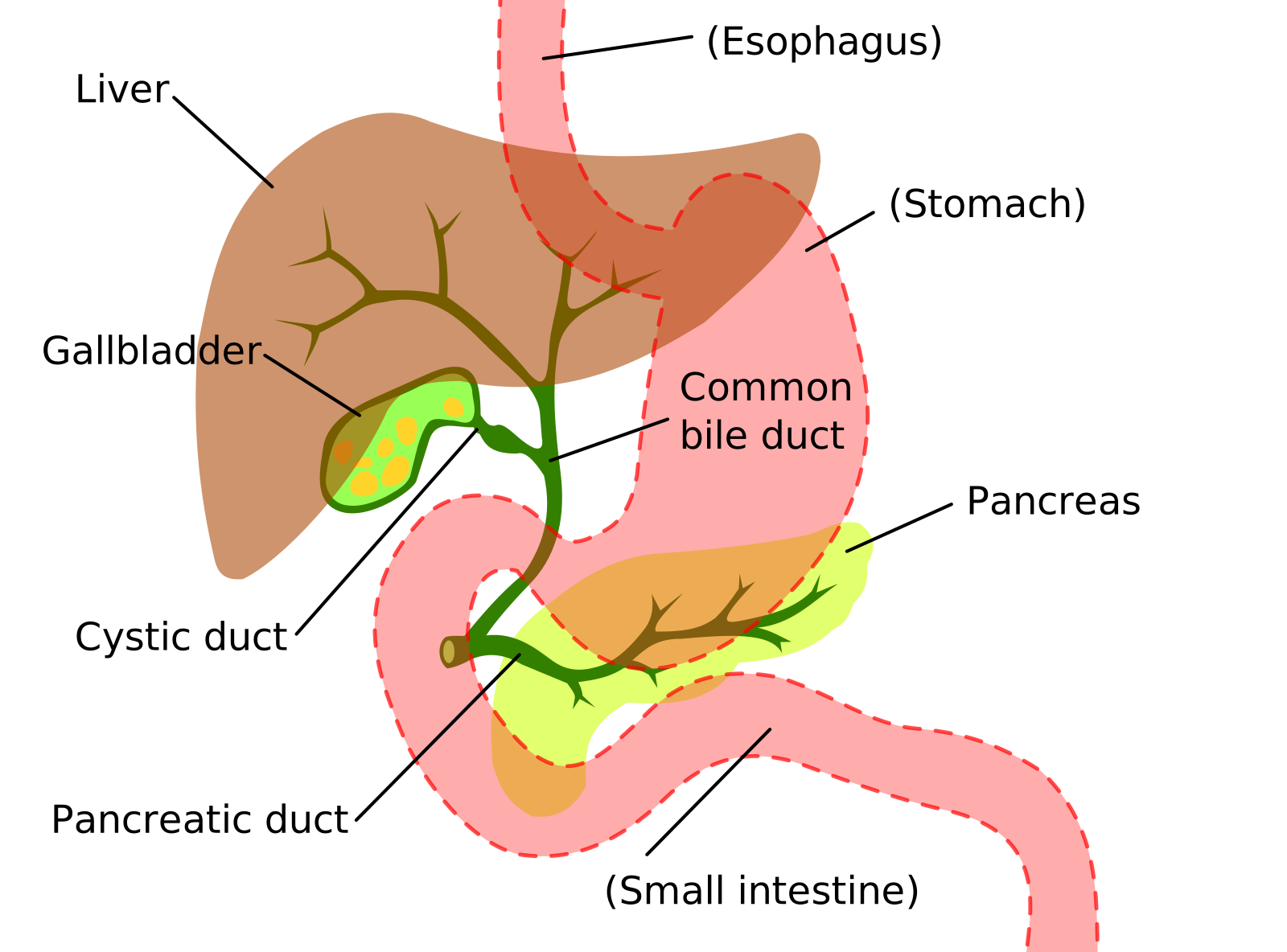
Biliary System
The biliary system includes the gallbladder and bile ducts, which carry bile from the liver to the intestine to help digest fats. When the bile ducts become blocked, narrowed, or damaged, bile cannot flow properly — leading to jaundice, infection (cholangitis), or liver damage.
Interventional Radiology (IR) plays a key role in diagnosing and treating these biliary disorders using image-guided, minimally invasive procedures that relieve symptoms and restore normal bile flow — often avoiding the need for surgery.
Key Biliary Interventions
Biliary Drainage (PTBD)
When bile ducts are blocked by stones, tumours, or strictures, a thin drainage tube (catheter) is placed to bypass the obstruction and drain bile either outside the body or internally into the intestine.
Benefit:Immediate relief from jaundice, infection, and itching, and protection of liver function.
Biliary Stenting
After drainage, a metal or plastic stent is placed inside the bile duct to keep it open and allow long-term bile flow. This restores normal bile passage without repeated procedures, ensuring lasting patient comfort.
Benefit:Long-term bile flow restoration and lasting patient comfort
Management of Biliary Leaks
Following gallbladder or liver surgery, bile may leak into the abdomen. Interventional radiologists can precisely locate and drain collections or seal the leak without the need for open surgery.
Benefit:Non-surgical management of post-operative bile leaks
Gallbladder Drainage (Cholecystostomy)
In patients unfit for surgery due to infection or poor general health, a catheter is placed into the inflamed gallbladder to drain infected bile and relieve inflammation.
Benefit:Emergency relief for high-risk patients with gallbladder infection
🌿 Advantages of Biliary IR Procedures
Minimally invasive
Image-guided precision with small incisions
Avoids open surgery
No need for general anesthesia or major surgery
Safe for high-risk patients
Suitable even for critically ill patients
Faster recovery
Quick symptom relief and shorter hospital stay
Bridge to treatment
Can serve as a bridge to definitive surgical or oncologic treatment
Effective outcomes
Proven success in restoring bile flow and relieving symptoms
When Biliary Interventions Are Needed
Obstructive Conditions
- Gallstones blocking bile ducts
- Pancreatic cancer causing biliary obstruction
- Bile duct strictures or narrowing
- Liver tumors compressing bile ducts
Infectious & Post-op
- Cholangitis (bile duct infection)
- Biliary leaks after surgery
- Acute cholecystitis in high-risk patients
- Jaundice from various causes
🌟 Restore Your Biliary Health
Interventional Radiology offers safe, targeted, and effective treatments for complex biliary problems — restoring bile flow, relieving jaundice, and improving patient outcomes without major surgery.
💡Don't suffer from jaundice or biliary obstruction. Modern IR procedures can provide immediate relief and long-term solutions.
Expert Care: Our interventional radiologists specialize in advanced biliary interventions including PTBD, stenting, and cholecystostomy to manage complex biliary disorders effectively.