
Varicocele Embolization
A minimally invasive treatment for varicoceles and male infertility
Varicoceles affect about 1 in 10 men. Nearly 30% of male infertility cases are due to varicocele.
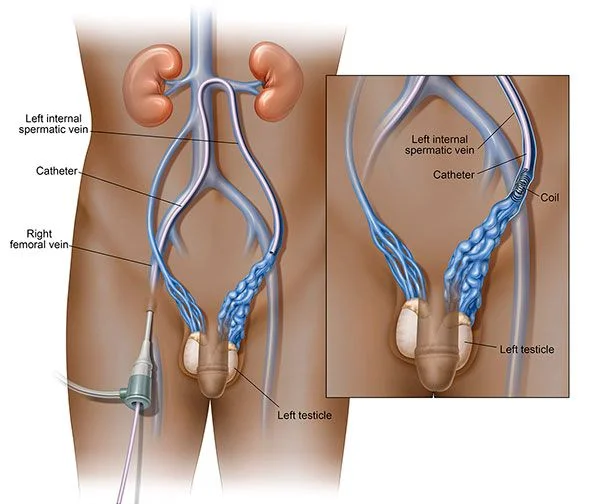
What is a Varicocele?
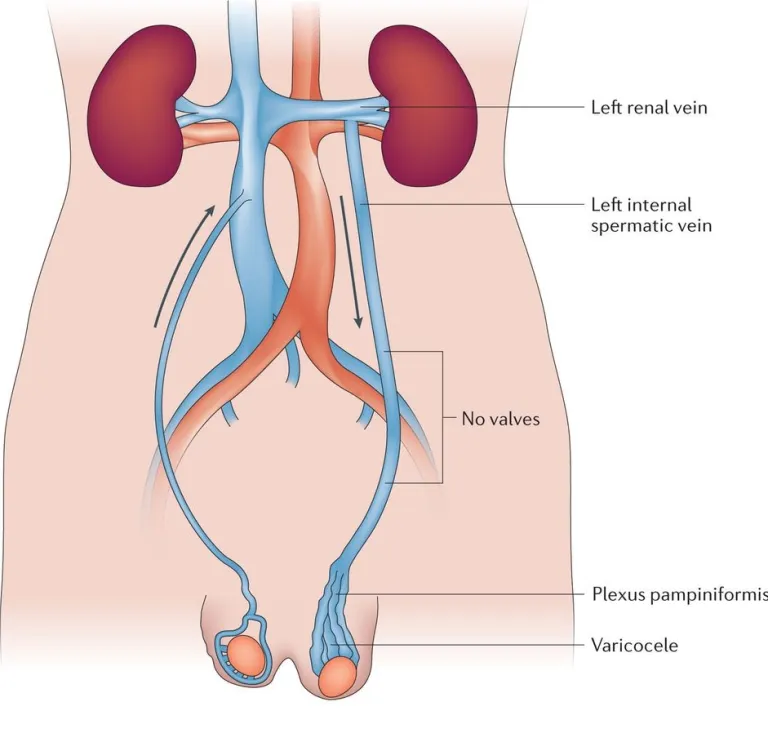
A varicocele is an abnormal enlargement of the veins within the scrotum (the pampiniform plexus). When the valves that regulate blood flow in the testicular veins become weak or defective, blood starts to pool instead of flowing smoothly, causing the veins to enlarge. This pooled up blood in testicular veins can cause pain and affect temperature regulation.
Men between the ages of 15 and 35 are more likely to develop a varicocele, which affects about 1 in 10 men. Nearly 30% of male infertility cases are due to varicocele. Left sided varicocele is much more than right side due to anatomical differences.
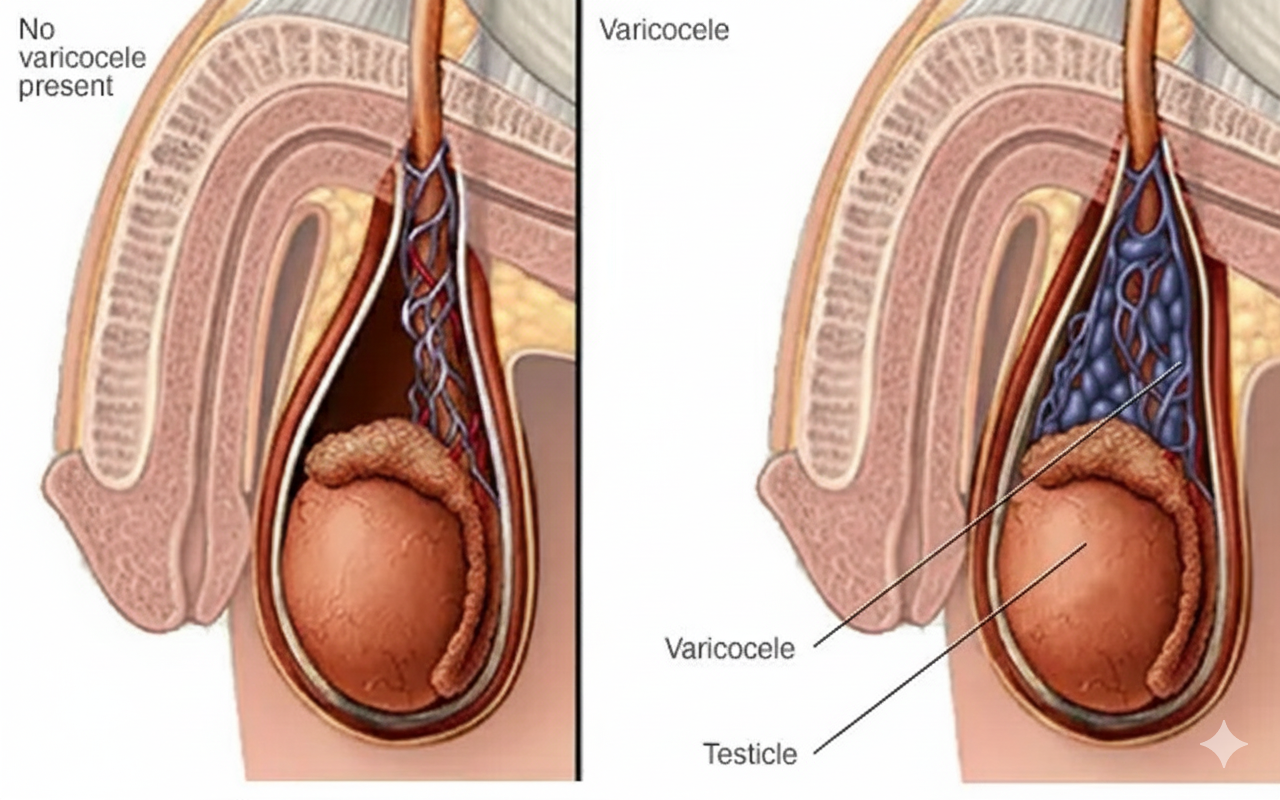
Symptoms of Varicocele
Enlarged, twisted veins visible or palpable ('bag of worms')
Dull, aching pain or heaviness in the scrotum
Reduced sperm count and motility → infertility
Testicular shrinkage (atrophy)
What is Varicocele Embolization?
Varicocele embolization is a minimally invasive, image-guided procedure performed by an interventional radiologist. Varicocele embolization helps treat the problem and restore normal blood flow as well as fertility.
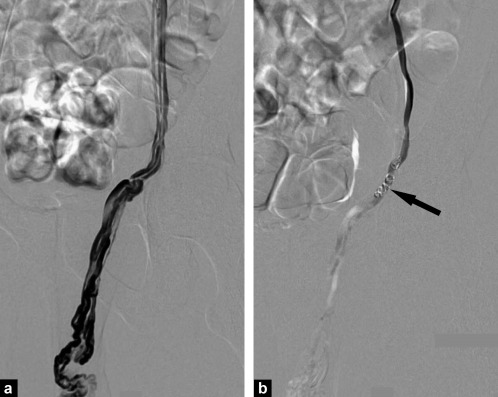
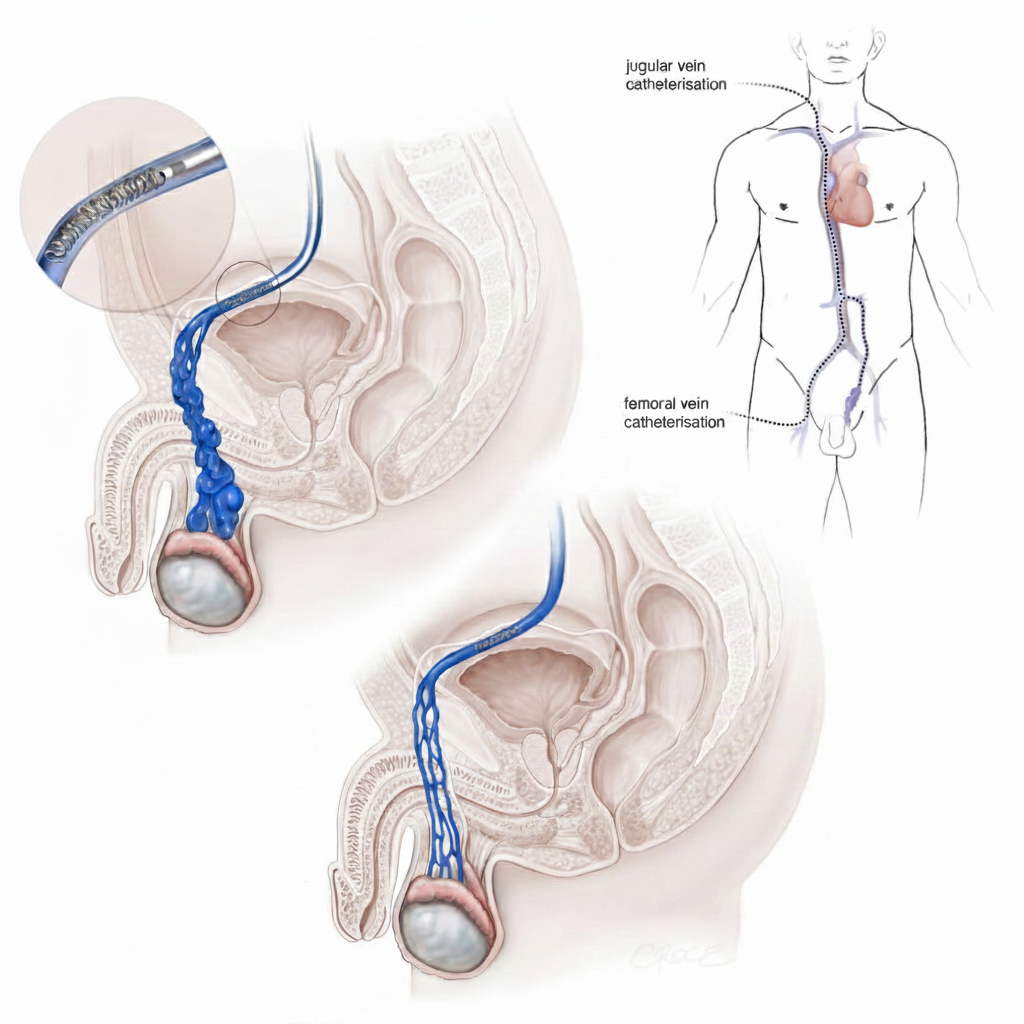
Instead of open surgery, a tiny catheter (<2mm) is inserted into a vein (usually in the arm). Using fluoroscopic guidance, catheter is advanced into abnormal vein. Small coils or plugs are placed to block the faulty veins draining testis. The catheter is then removed and a Band-Aid is applied.
Varicocele embolization procedure typically takes an hour to complete. The patient is discharged typically after an hour of observation.
Why Choose Embolization Over Surgery?
Minimally invasive
Just a pinhole entry in arm, no stitches. No incision in the low groin.
Local anaesthesia
No need for general anaesthesia
Faster recovery
Same day discharge. Return to work in 1-2 days
Less pain
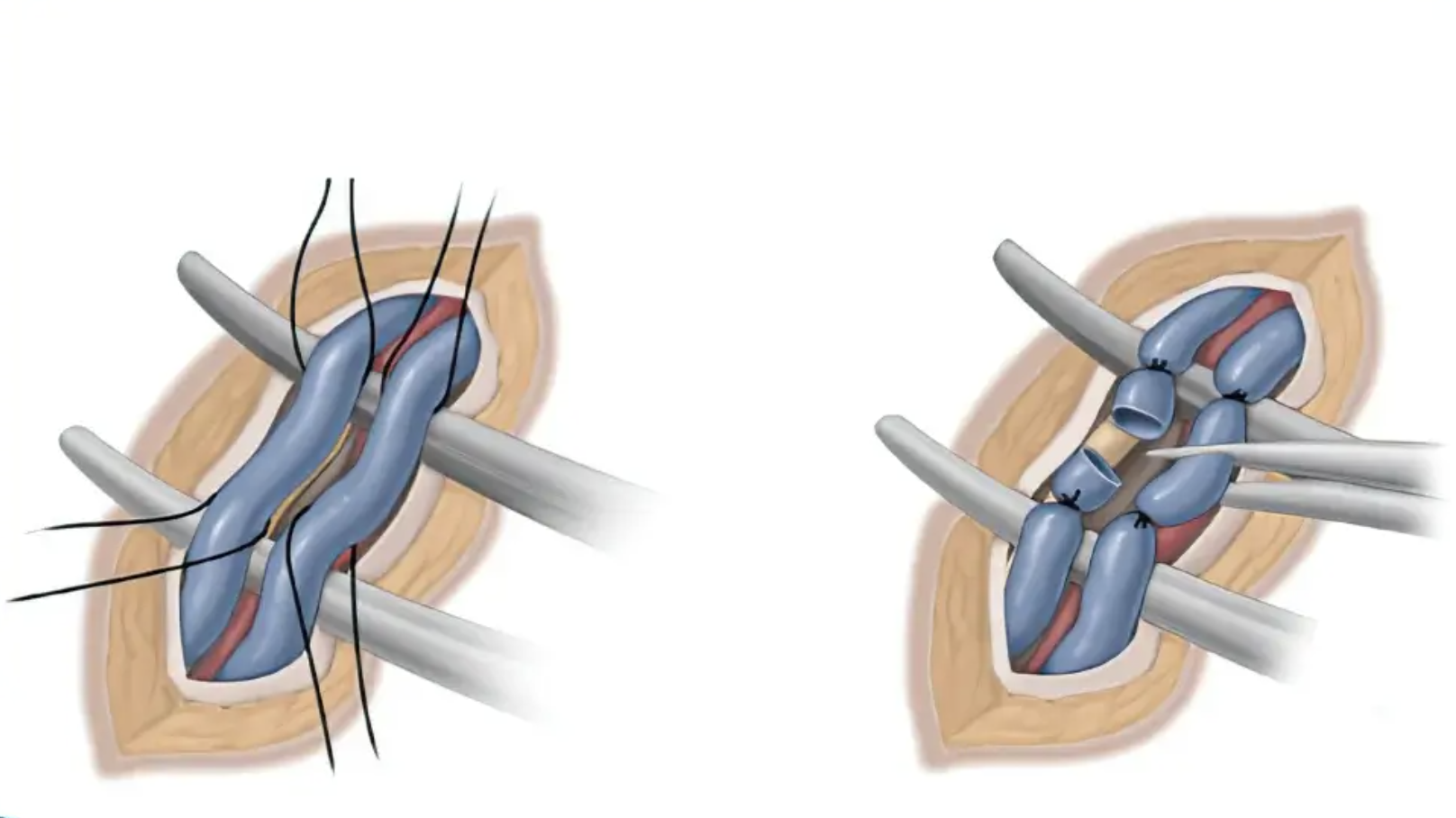
Compared to open surgery
Preserves fertility
Proven improvement in sperm quality and pregnancy rates
Clinical success
Excellent. Similar or better than surgery
How the Procedure Works - Step by Step
1. Consultation
Detailed medical history will be taken and reports reviewed by the Interventional Radiologist.
2. Ultrasound
Interventional Radiologist will perform a scrotal ultrasound to see the severity of varicocele.
3. Varicocele embolization
Procedure is done under local anaesthesia. It usually take 45minutes - 1 hr. A thin tube is placed through a vein in the groin or neck. Using X-ray guidance, coils, plugs, or medical glue are placed to block abnormal veins, causing blood flow to be redirected to normal veins.
4. Post procedure care
You will be monitored in the hospital for 1-2 hrs after the procedure. Most patient go home the same day.
5. Recovery
The varicocele shrinks and symptoms improve over weeks
Recovery Timeline
Same Day
- •Procedure completed
- •1-2 hours observation
- •Discharge home
1-2 Days
- •Return to work
- •Minimal discomfort
Days to Weeks
- •Symptom relief noticeable
- •Pain and heaviness reduce
3-6 Months
- •Fertility benefits appear
- •Sperm count and motility improve
Long-term
- •Over 90% effectiveness
- •Very low recurrence rate
Recovery & Results
Immediate Recovery
- •Hospital stay: Usually a day-care procedure (go home same day)
- •Back to routine: 1-2 days
- •Symptom relief: Often noticeable within days
Long-term Results
- •Fertility benefits: Sperm count and motility improve in 3-6 months
- •Long-term success: Over 90% effectiveness with very low recurrence
- •Improved natural pregnancy rates
Is Varicocele Embolization Right for You?
You may benefit if:
- You have scrotal pain or heaviness due to varicocele
- You want a scar-free, minimally invasive alternative to surgery
- You and your partner are struggling with infertility
- You have testicular shrinkage or abnormal semen analysis
- You've had varicocele surgery before and the problem has recurred
Embolization vs Surgery (Varicocelectomy)
| Feature | Embolization | Surgery |
|---|---|---|
| Symptom relief | Excellent | Excellent |
| Scar | None | Small scar |
| Anesthesia | Local + sedation | General/spinal |
| Recovery | 1-2 days | 1-2 weeks |
| Pain | Minimal | Moderate |
Frequently Asked Questions
🌟 Take the Next Step
If you have symptoms of varicocele or are facing infertility, Varicocele Embolization offers a safe, scar-free, and effective alternative to surgery.
👉 Talk to your urologist or schedule a consultation with an interventional radiologist to see if embolization is right for you.