
Genicular Artery Embolization (GAE)
A game changing non-surgical treatment for osteoarthritis related long standing knee pain
Knee osteoarthritis affects millions worldwide, especially adults over 50
/assets/images/provider/photos/2741431.jpeg)
What is Osteoarthritis of the Knee?
Osteoarthritis (OA) is a common joint condition that develops due to gradual wear and tear with age. When the smooth cartilage covering the bones becomes damaged, it leads to ongoing inflammation inside the joint. This inflammation triggers the growth of tiny, abnormal blood vessels and nerves within the knee. These new nerves send pain signals to the brain, while the abnormal blood vessels release inflammatory chemicals that continuously irritate the nerves resulting in persistent joint pain and stiffness.
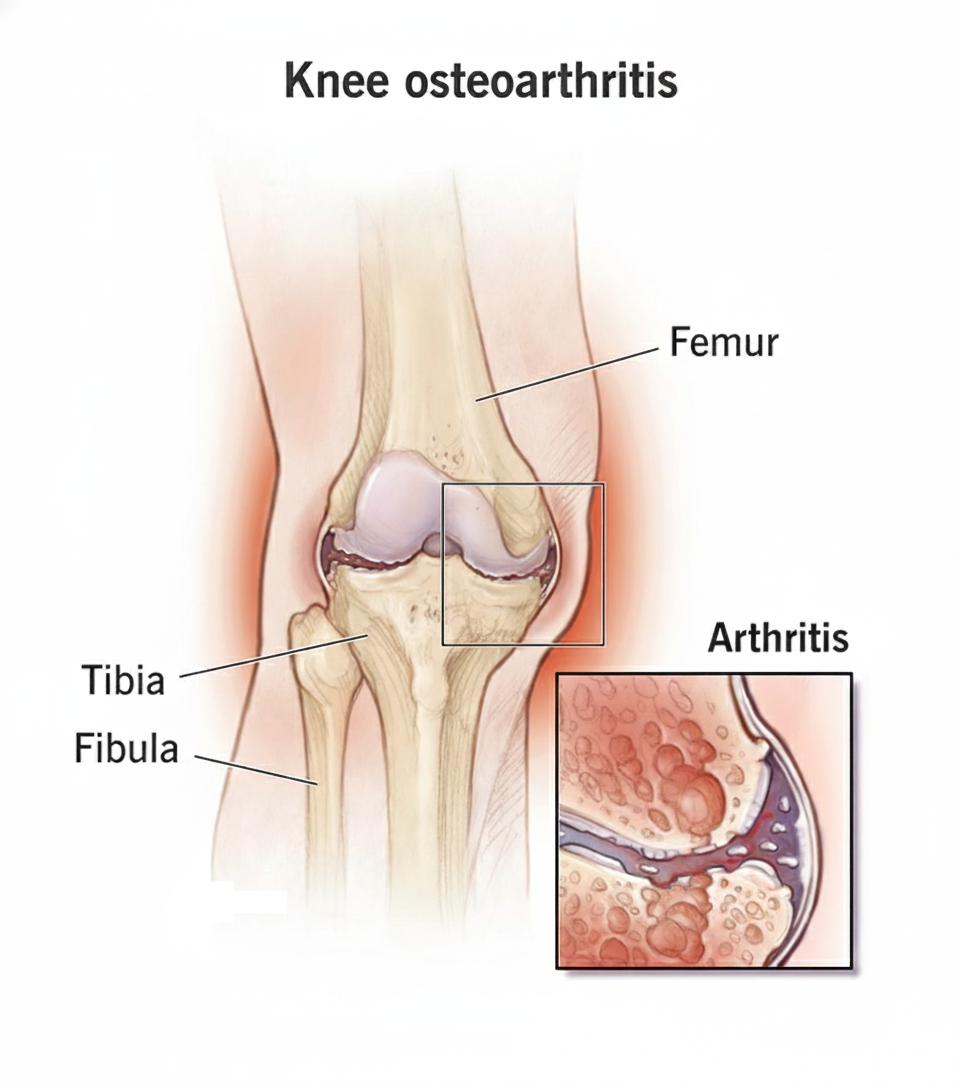
Common Symptoms of Knee Osteoarthritis
Chronic knee pain
Swelling and stiffness
Difficulty walking or climbing stairs
Reduced mobility and quality of life
Traditional treatments include:
But now, there is a new, minimally invasive treatment option —
Genicular Artery Embolization (GAE)
What is Genicular Artery Embolization (GAE)?
GAE is a cutting-edge, minimally invasive, image-guided procedure performed by interventional radiologists.
In GAE procedure, microscopic beads are precisely injected into the tiny abnormal blood vessels around knee. These beads block the abnormal blood vessels that contribute to inflammation and pain. By reducing these vessels, GAE helps break the cycle of irritation and significantly relieves chronic knee pain caused by osteoarthritis.
How GAE Breaks the Pain Cycle
/1.png)
Why Choose GAE?
Safe and effective
GAE is useful to relieve knee pain from OA without the risks of high dose pain medications or getting repeat joint injections.
Minimally invasive
Performed through a tiny pinhole in the groin area.
No down time
Patients can resume activities from next day
Faster and durable Pain relief
Most patients begin to notice a reduction in knee pain within 1-3 weeks after the GAE procedure. The improvement typically continues over the following months as inflammation gradually decreases. Many patients experience long-lasting relief, with benefits often persisting for 1-2 years or even longer.
Delays or avoids Surgery
GAE is not necessarily a substitute for knee replacement surgery. However, it offers an excellent option for patients who wish to delay surgery or are not suitable candidates for surgical procedures due to age, medical conditions, or personal preference. Importantly, GAE has not been shown to interfere with or negatively impact any future knee replacement surgery, allowing patients to keep all treatment options open.
How the Procedure Works - Step by Step
1. Consultation
You'll meet our Interventional Radiologist who takes detailed medical history and reviews all previous test reports and scans.
2. Diagnostic tests
An X-ray and/or MRI Knee will be ordered as per requirement. Following this work-up, an ideal treatment plan is formulated and thoroughly discussed with the patient.
3. Procedure (GAE)
A small tube (<2mm thick) is inserted through groin under local anaesthesia. After identifying the abnormal blood vessels around knee causing pain, tiny microscopic occlusive particles are released into them. Normal blood flow to the knee and its surrounding tissues remains intact after the procedure.The procedure usually takes about 45 to 60 minutes.
4. Post procedure care
You'll rest for a few hours. You may experience mild pain and skin redness around the joint, which is effectively managed with medication. Most patient go home the same day or next morning. Due arrest of blood supply, fibroids shrink over weeks to months, and the symptoms gradually improve.
Recovery Timeline
Same Day
- Procedure completed
- Rest for few hours
- Most patients go home
Next Day
- Resume normal activities
- Mild pain managed with medication
1-3 Weeks
- Noticeable pain reduction
- Improved mobility begins
Following Months
- Continued improvement
- Inflammation gradually decreases
1-2 Years
- Long-lasting relief
- Benefits often persist
Frequently Asked Questions
🌟 Take the Next Step
If knee pain from osteoarthritis is limiting your life, Genicular Artery Embolization (GAE) may be the minimally invasive solution you've been looking for.
👉 Talk to your doctor or consult an interventional radiologist to see if GAE is right for you.