
Prostatic Artery Embolization (PAE)
A minimally invasive solution for an enlarged prostate (BPH) in men
BPH affects nearly 50% of men over 50 and up to 80% of men over 70

What is Prostate Gland?
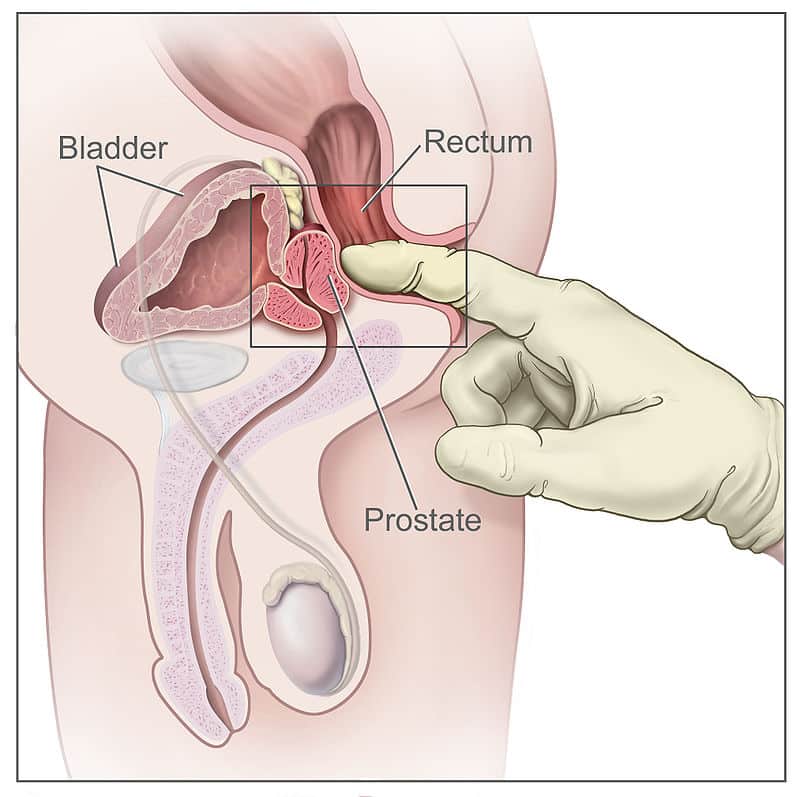
The prostate gland is a small gland found only in men. It's about the size of a walnut and sits just below the urinary bladder. The main function of the prostate is to make a fluid that goes into semen. The urine carrying tube (the urethra) that carries urine out of the body passes right through it.
What is BPH (Benign Prostatic Hyperplasia)?
/1.png)
As men get older, the prostate gland often grows larger. This condition is called benign prostatic hyperplasia (BPH). BPH affects nearly half of men over 50 years of age and up to 80% of men over 70. This enlarged prostate presses on and narrows the urethra, leading to various urinary symptoms.
This urinary obstruction creates a daily struggle for millions of men, turning the simple act of urination into a source of dread that disrupts sleep and overshadows daily activities.
.png)
Treatment Options

Medical Treatment
Surgery is not always required in BPH. First line treatment includes drugs like alpha blockers and Testosterone-converting enzyme inhibitors. Surgery/PAE is considered if symptoms worsen despite the use of medication or lifestyle improvements.

Surgery
Surgery for BPH involves, placing small instruments through urinary passage (penile urethra) and removal of excess prostatic tissue using either electrical loop [Transurethral Resection of the Prostate (TURP)] or laser [Holmium Laser Enucleation of the Prostate (HoLEP)].
Prostatic Artery Embolization (PAE)
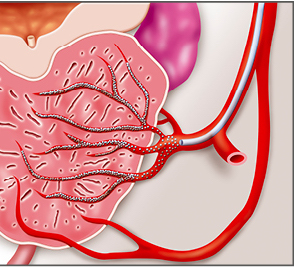
PAE is a revolutionary, modern, non-surgical treatment for BPH, which works by blocking the blood flow to the enlarged prostate, helping it to shrink in size and improving urinary symptoms.
What is Prostatic Artery Embolization (PAE)?
Under local anesthesia with mild sedation a tiny puncture is made in the wrist (radial artery) or groin (femoral artery). A microcatheter is navigated into the prostatic arteries. Microscopic embolic particles are released into the arteries supplying the prostate. These particles block the blood flow to the enlarged prostate tissue, causing the prostate to shrink naturally over time.
/2.png)
Why Choose PAE?
Minimally invasive
only a tiny pinhole entry. No surgical incisions. No device inserted through penile urethra
Preserves sexual function
no risk of erectile dysfunction or retrograde ejaculation compared to surgery
Short recovery
most men return to normal life in 2-5 days
No general anesthesia
performed under local anesthesia
Safe and effective
80-90% effective in relief of symptoms, 5-7 years durability for relief of symptoms
How the Procedure Works - Step by Step

1. Consultation
Our Interventional Radiologist will take a detailed medical history and perform a comprehensive evaluation of urinary symptoms, including validated questionnaires and IPSS (International Prostate Symptom Score) scoring. An ultrasound scan will be performed during the same visit to assess prostate size, post-void residual urine, and urinary bladder morphology.

2. Diagnostic tests
Patient will undergo a set of essential diagnostic tests including blood tests (PSA level, kidney function tests) and urine analysis. A CT angiography or MRI of the pelvis is also performed to map the pelvic arterial anatomy and plan the exact catheter pathway. These investigations confirm suitability for the procedure, and allow accurate pre-procedural planning for optimal outcomes.
3. PAE
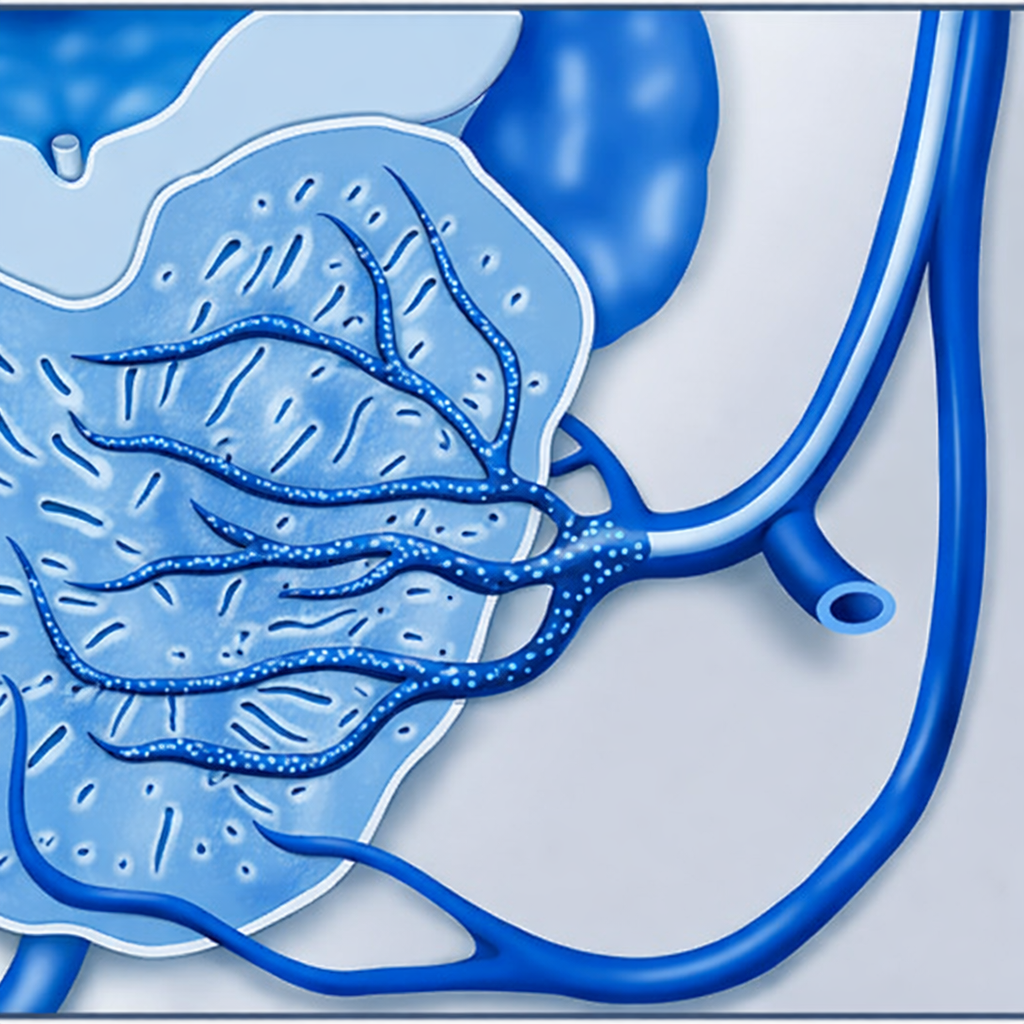
PAE is done under local anesthesia with mild sedation through a tiny puncture in wrist (radial artery) or groin (femoral artery). No surgical incision or general anesthesia is required. The procedure typically takes 60–90 minutes.
4. Recovery
Recovery is usually rapid and smooth. Most patients go home the same day or after an overnight stay. Normal activities can be resumed within 2–3 days. Mild pelvic discomfort, urinary frequency, or burning for a few days is expected and easily controlled with medication. No urine catheter is usually needed after the procedure

5. Follow-up
Due to arrest of blood supply, enlarged prostate gradually shrinks over weeks to months, resulting in significant relief in urinary symptoms.
Recovery & Results
Immediate Recovery
- •Back to routine: usually within a few days
- •Symptom relief: often noticeable in 2-3 weeks after PAE
- •Most men return to normal activities in 2-5 days
Long-term Results
- •Long-term benefit: prostate continues shrinking for 6-12 months
- •Success rate: 80-90% report significant improvement in urinary symptoms
- •Durability: 5-7 years of symptom relief
Is PAE Right for You?
PAE may be recommended if:
- You have moderate to severe urinary symptoms due to BPH
- You prefer to avoid surgery or are not fit for it
- You want to preserve sexual function
- You've tried medications without success
Consultation is essential. A comprehensive evaluation with our Interventional Radiologist will determine if PAE is the best option for your specific condition.

PAE vs. Surgery (TURP)
| Feature | PAE | Surgery (TURP) |
|---|---|---|
| Invasiveness | Minimally invasive, pinhole access | Major procedure |
| Hospital Stay | Same-day or 1 night | 2-3 nights |
| Recovery Time | 2-5 days | 2-4 weeks |
| Sexual Side Effects | Extremely rare | Common (erectile dysfunction, retrograde ejaculation) |
| Bleeding Risk | Minimal | Higher |
| Anesthesia | Local | General or spinal |
Frequently Asked Questions
Take the Next Step
If urinary symptoms from BPH are affecting your daily life, you don't have to live with the discomfort. Prostatic Artery Embolization (PAE) is a safe, effective, and minimally invasive option that helps you regain control of your health.
👉 Talk to your doctor or schedule a consultation with an interventional radiologist today.