
Peripheral Arterial Disease
Saving limbs, improving healing, and restoring mobility
PAD is a serious health problem in India and it is significantly underdiagnosed. When left untreated, PAD can progress to severe tissue damage, putting the limb and sometimes even life at risk.
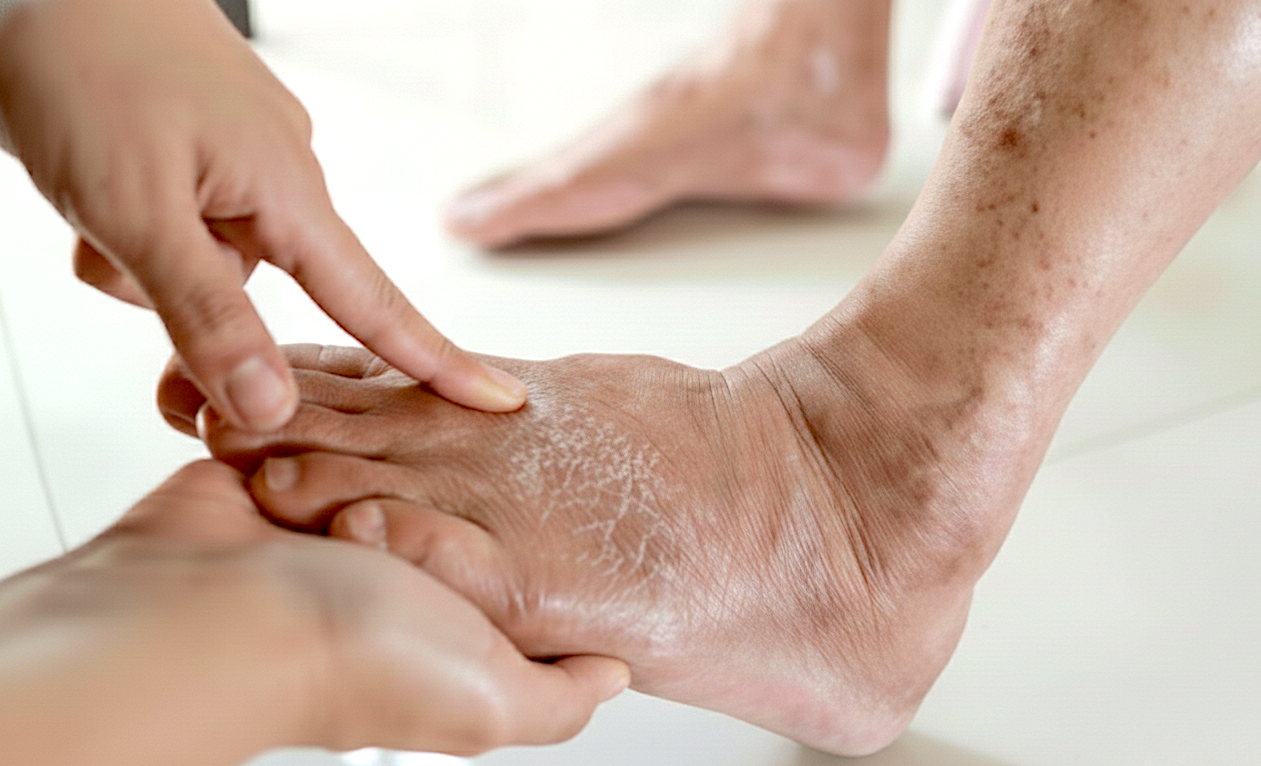
What is Peripheral Arterial Disease?
Peripheral Artery Disease (PAD) occurs when arteries in the legs or other peripheral regions become narrowed or blocked due to atherosclerosis, reducing blood flow to the limbs. This leads to symptoms such as leg pain while walking (claudication), non-healing wounds, and, in severe cases, gangrene.
Common symptoms include:
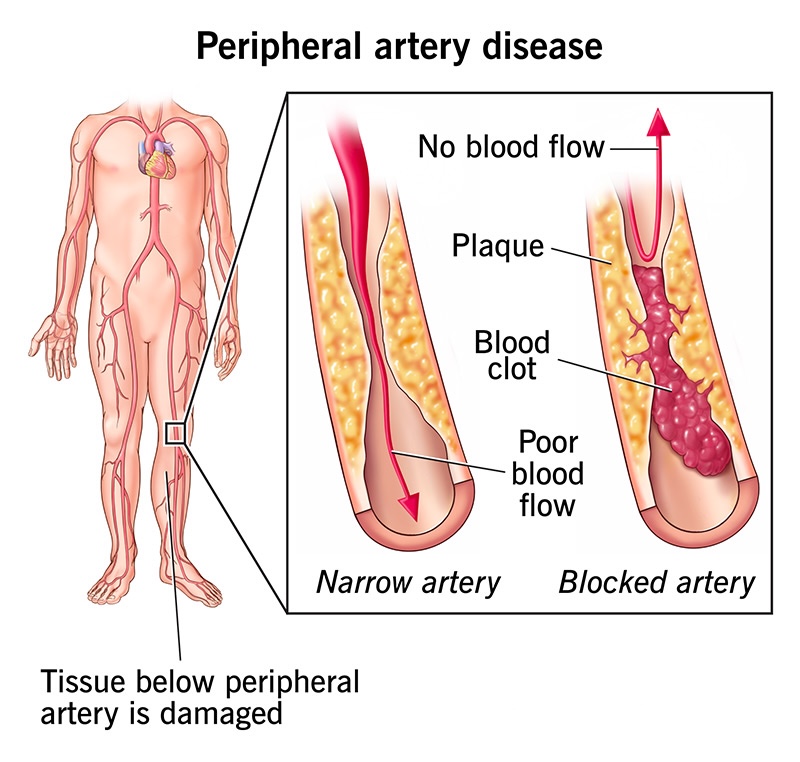
Risk Factors for PAD
Smoking
Diabetes
High blood pressure
High cholesterol
Obesity and inactivity
How Interventional Radiology Helps
Interventional Radiology (IR) uses minimally invasive, image-guided procedures to improve leg blood flow, reduce pain, helping wounds heal and reducing the risk of amputations.
Key Benefits of IR in PAD
Common Interventional Radiology Procedures for PAD
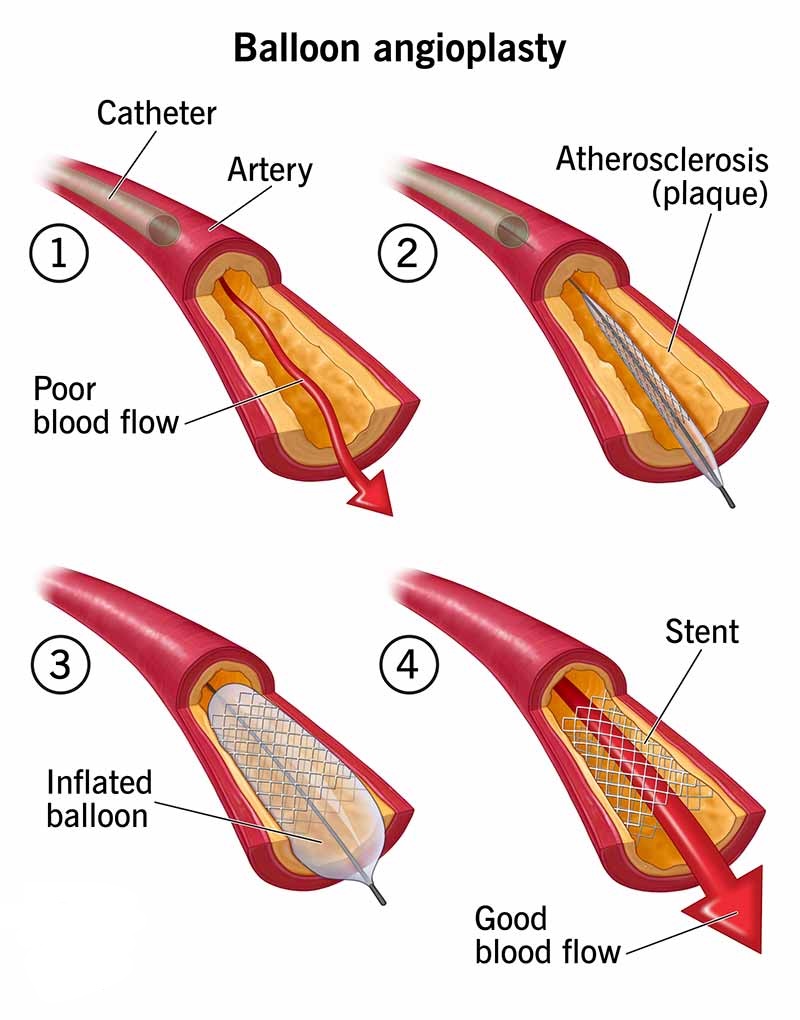
Angioplasty
A tiny balloon is inserted into blocked leg arteries and inflated to open them. Improves circulation to the foot.
Stent Placement
A small mesh tube (stent) may be placed to keep the artery open after angioplasty.
Atherectomy
Special devices are used to remove calcium or plaque build-up in the arteries.
Thrombolysis / Thrombectomy
Clot-dissolving drugs or mechanical devices are used to clear blocked arteries in acute thrombosis cases.
Frequently Asked Questions

🌟 Take the Next Step
If you or a loved one has Peripheral arterial disease/ Diabetic foot consult an interventional radiologist. Early treatment can:
Save your limb
Speed up wound healing
Improve quality of life
👉Don't wait until it's too late -- seek help before complications lead to amputation.