
Uterine Fibroid Embolization (UFE)
A gentle, minimally invasive treatment for fibroids -- designed to preserve your uterus and improve your quality of life.
Do you know about 70% of women will have uterine fibroids in their life!
/2.png)
What Are Fibroids?
Fibroids are non-cancerous growths in the wall of the uterus. They are very common in women of reproductive age and can vary in size from as small as a pea to as large as a melon.
Several factors can contribute to the development of fibroids. It is most common in women aged 30-50 due to higher estrogen levels, and family history plays a significant role—having a close family member with fibroids increases your risk. Hormonal imbalances, specifically elevated estrogen and progesterone, can promote their growth. Additionally, lifestyle factors such as diet, weight, and vitamin D levels, along with genetic predisposition and environmental factors (like exposure to endocrine-disrupting chemicals), can also influence their development.
Common Symptoms
While not all fibroids cause symptoms, these are the most common signs to be aware of
Heavy or Prolonged Periods
Unusually heavy or prolonged menstrual bleeding
Pelvic Pain or Pressure
Persistent pain or pressure in the lower abdomen

Frequent Urination
Increased need to urinate frequently

Painful Intercourse
Discomfort or pain during sexual activity

Constipation or Bloating
Digestive issues and abdominal bloating

Reproductive Challenges
Difficulty getting pregnant in some cases
Treatment Options

Medication
Drugs may be effective in controlling the symptoms, if they are mild. These include pain killers (ibuprofen and paracetamol) for cramping pain, low dose birth control pills or Merina IUD for bleeding. Hormone suppressing medications like leuprolide can shrink the fibroids, but due to their side effects not a reasonable sustainable treatment.

Surgical Options
Surgical removal of fibroids while preserving the uterus. Can be performed laparoscopically or through open surgery. Complete removal of the uterus (hysterectomy) is a major surgery with longer recovery time and permanent loss of fertility.
Uterine Fibroid Embolization (UFE)
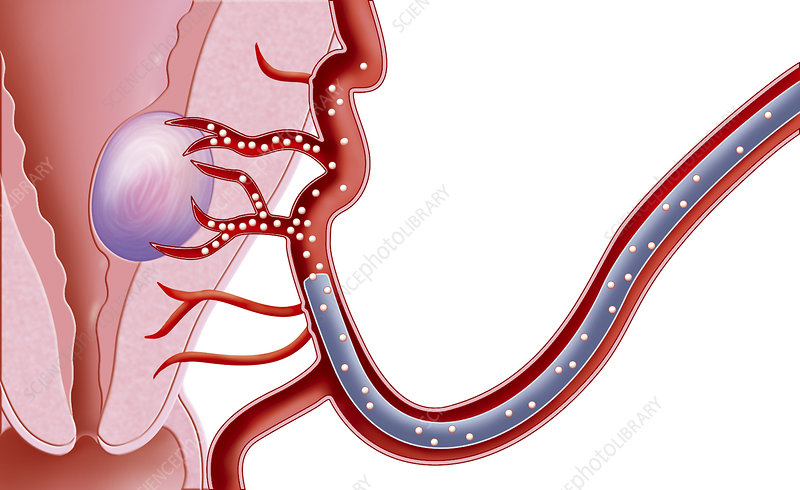
A minimally invasive, non-surgical procedure that blocks blood flow to fibroids, causing them to shrink. Performed by an Interventional Radiologist, UFE is a safe and effective alternative to surgery with faster recovery and preservation of the uterus.
What Is Uterine Fibroid Embolization (UFE)?
UFE is a minimally invasive, non-surgical treatment performed by an Interventional Radiologist that preserves your uterus while effectively treating fibroids.
ACOG Level A Designation
Uterine fibroid embolization was designated as a "Level A" treatment by the American College of Obstetricians and Gynecologists (ACOG) in 2008.
'Level A' is the highest level designated to a treatment in the treatment evaluation system of evidence-based medicine.
How UFE Works
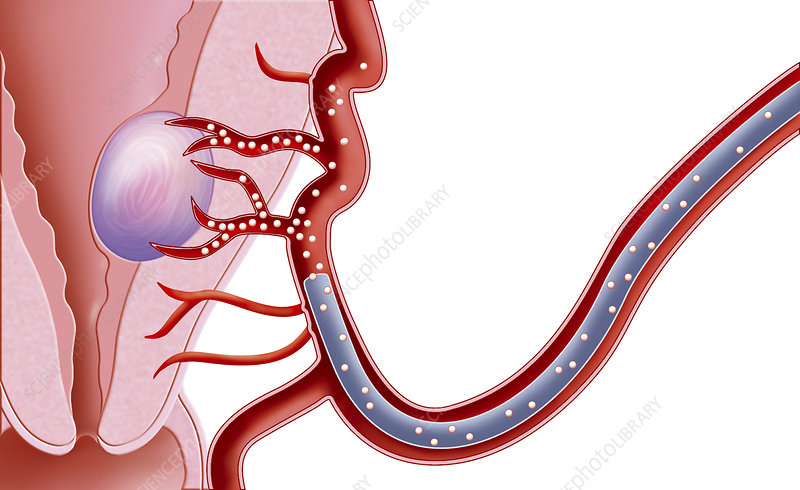
Instead of surgically removing the uterus or fibroid, UFE works by using a small catheter (tube) inserted through the wrist or groin. Under real time fluoroscopic guidance, a thin microcatheter is navigated into the arterial feeders supplying uterine fibroids. Tiny embolic particles are gently released into the feeding arteries that block the blood supply to the fibroids. Fibroids are highly dependent on their blood supply, and without blood flow they naturally shrink gradually, which will result in significant improvement in associated symptoms like heavy bleeding, pelvic pain, pressure effects, and urinary frequency.
Who Can Benefit from UFE?
UFE may be the right choice if you're experiencing fibroid symptoms and want a minimally invasive treatment option.
You have fibroid-related heavy bleeding, pain, or pressure symptoms.
You want to preserve your uterus
You wish to avoid surgery or hysterectomy.
You want a faster recovery with minimal downtime.
You have multiple fibroids (large or small).
You prefer a non-surgical treatment approach
The UFE Procedure: Step by Step
Understand what to expect before, during, and after your UFE procedure
1. Consultation
You'll meet our Interventional Radiologist who takes detailed medical history and reviews all previous blood tests and scannings.
2. Diagnostic Tests
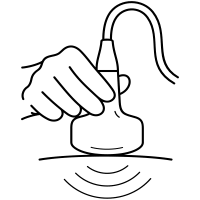
Our Interventional Radiologist will perform ultrasound scan see the Uterine fibroids. Based on the patient's complaints, a pelvic MRI and relevant blood tests (CBP, PT-INR, FSH) may be advised. Following this work-up, an ideal treatment plan is formulated and thoroughly discussed with the patient.
3. Admission and UFE
A small tube is inserted through the wrist or groin under local anesthesia. After entering the uterine artery feeder supplying the fibroids, tiny occlusive particles are released to stop blood flow to fibroids. No stitches are needed.The procedure usually takes about 30 to 45 minutes.
4. Recovery
You'll rest for a few hours. You may experience pain in abdomen or fever in the few hours after the procedure due to 'fibroid ischemia', which can be effectively managed with medication. Most women go home the same day or next morning.

5. Follow-up
Due to arrest of blood supply, fibroids gradually shrink over weeks to months, resulting in significant improvement in symptoms like heavy bleeding, pelvic pain, pressure effects, and urinary frequency.
Recovery & Results
Immediate Recovery
- Mild cramping and discomfort for a few days (manageable with medicines).
- Return to normal activities in 5-7 days.
Long-term Results
- Fibroids shrink by 40-60% in volume over 6-12 months.
- Significant relief from heavy bleeding, pain, and pressure symptoms.
Is UFE Safe?
✅ UFE has been performed safely for decades worldwide.
Safety Features
Why UFE is considered a safe and effective treatment
Minimally invasive procedure with no surgical incisions
Local anesthesia used (no general anesthesia required)
Real-time image-guided precision using advanced technology
Preserves healthy uterus tissue and fertility options
Proven track record with millions of successful procedures
UFE vs. Surgery
| Treatment | UFE | Surgery |
|---|---|---|
| Symptom relief | Excellent | Excellent |
| Pain in 24 hrs | Mild-moderate | Severe |
| Hospital Stay | 1 day | 5-7 days |
| Recovery Time | 5-7 days | 6-8 weeks |
| Preserves Uterus | ✅ Yes | ❌ No |
| Large Scar | ❌ No | ✅ Yes |
| Blood Loss | Minimal | Moderate-High |
Frequently Asked Questions
Take the Next Step
If fibroids are affecting your life, you don't have to live with the discomfort. UFE offers a safe, uterus-preserving, minimally invasive solution.
📞 Contact us today to schedule your consultation with our Interventional Radiology team.