
Dialysis Access Interventions
Minimally Invasive Solutions to Maintain Dialysis Access
Interventional Radiology plays a critical role in maintaining and managing vascular access for dialysis patients.

Understanding Dialysis and Vascular Access
Patients with chronic kidney disease (CKD) or end-stage renal disease (ESRD) often require hemodialysis to filter waste from the blood. This requires reliable vascular access, typically through:
Types of Vascular Access
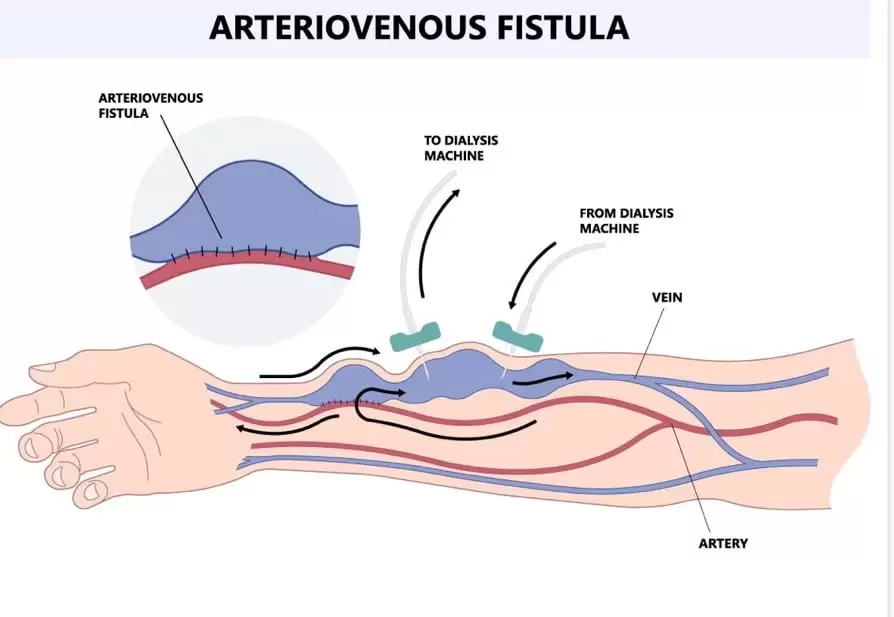
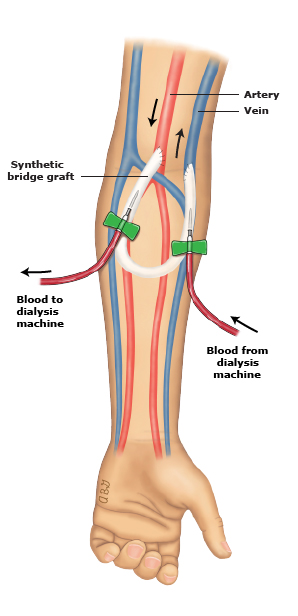
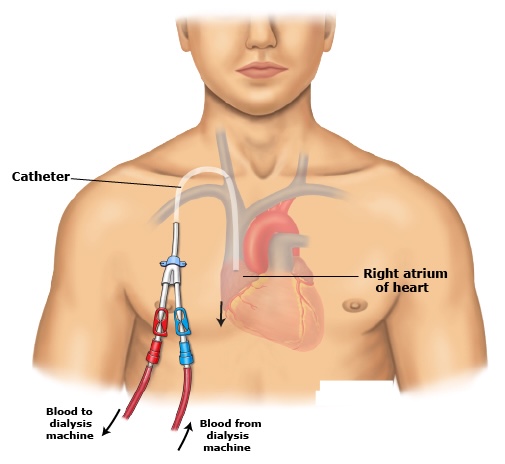
Over time, these access points may develop narrowing (stenosis), blockages, or other complications, which can affect dialysis efficiency and patient safety.
How Interventional Radiology Helps Dialysis Patients
Interventional Radiologists specialize in minimally invasive, image-guided procedures to diagnose and treat vascular access problems, keeping dialysis safe and effective.
Angioplasty and Stenting
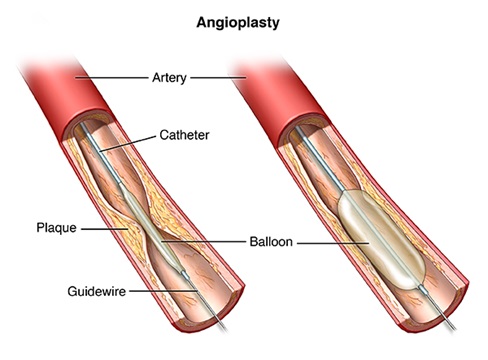
Angioplasty involves inflating a tiny balloon inside a narrowed vein or artery to restore blood flow. In some cases, a stent may be placed to keep the vessel open. This procedure helps extend the life of AV fistulas or grafts.
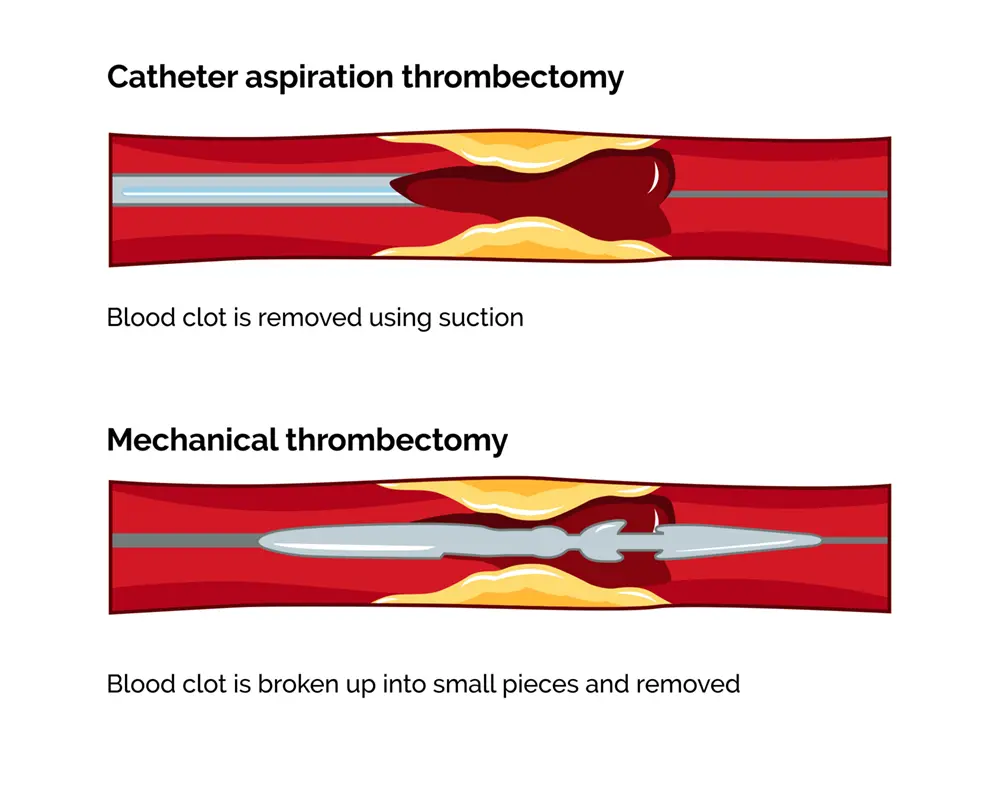
Thrombectomy
Blocked or clotted vascular access can prevent dialysis. IR specialists use catheter-based techniques to remove clots and restore patency quickly, avoiding major surgery.
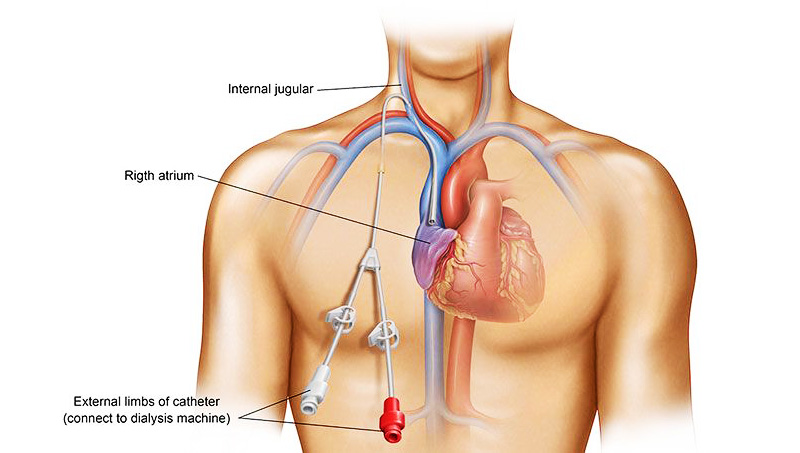
Catheter Placement
Temporary or permanent central venous catheters (permacath) can be safely inserted under imaging guidance. IR ensures accurate placement, reduces complications, and allows immediate dialysis access.
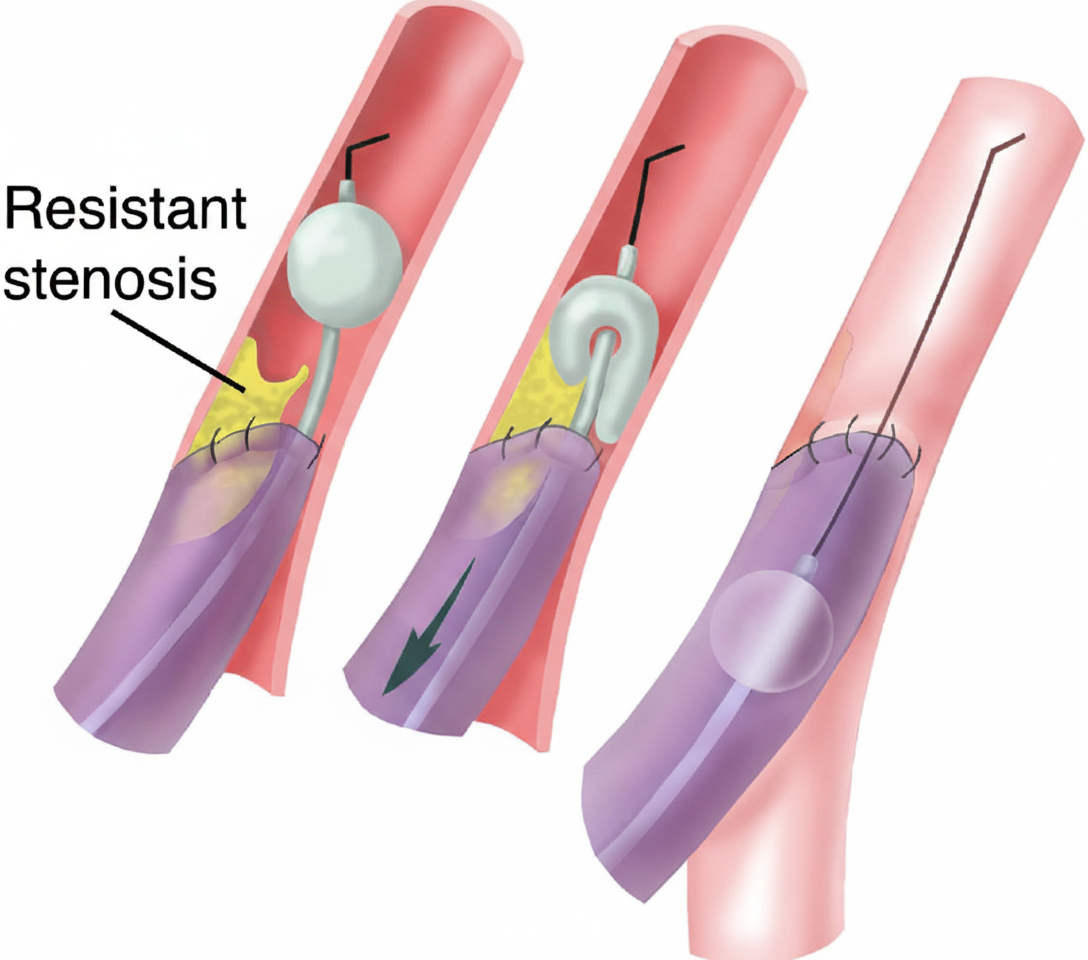
Complication Treatment
Includes stenosis, aneurysms, pseudoaneurysms, or infections. Image-guided interventions can repair, drain, or stabilize these problems, preventing interruptions in dialysis treatment.
Procedure Advantages
These procedures are done under local anesthesia, often without surgery, and help extend the life of AV fistulas or grafts.
Benefits of Interventional Radiology in Dialysis Patients
Minimally invasive
Avoids open surgery, reduces pain and recovery time
Rapid restoration
Minimizes missed dialysis sessions
Improves access survival
Prolongs life of fistulas and grafts
High precision and safety
Guided by real-time imaging
Reduces complications
Faster return to daily life
Expert care
Specialized vascular access management
A Vital Partner in Kidney Care
Dialysis patients often face recurring vascular challenges. Interventional Radiology offers timely, minimally invasive solutions that keep dialysis access functioning, reduce complications, and improve quality of life.
Maintaining your dialysis access is crucial for continuous, effective treatment and overall health.

When to Seek Consultation
If you are a dialysis patient experiencing any of these symptoms, consult an Interventional Radiologist:
- Reduced blood flow during dialysis
- Clotting in vascular access
- Swelling in the arm or access area
- Difficulty during dialysis sessions
- Pain or discomfort around access site
- Longer bleeding after needle removal
Early Intervention Matters
Early intervention helps avoid complications, hospitalizations, and delays in dialysis.
Frequently Asked Questions
🩸 Keep Your Lifeline Flowing
Don't let vascular access problems interrupt your dialysis treatment. Consult an Interventional Radiologist for timely, minimally invasive solutions that keep your access functioning optimally.
👉 Early intervention helps avoid complications, hospitalizations, and delays in dialysis treatment.