
Venous Thromboembolism
Don't wait. Treat early. Prevent complications
Prompt diagnosis and treatment are essential to restore blood flow, prevent complications, and preserve limb function.
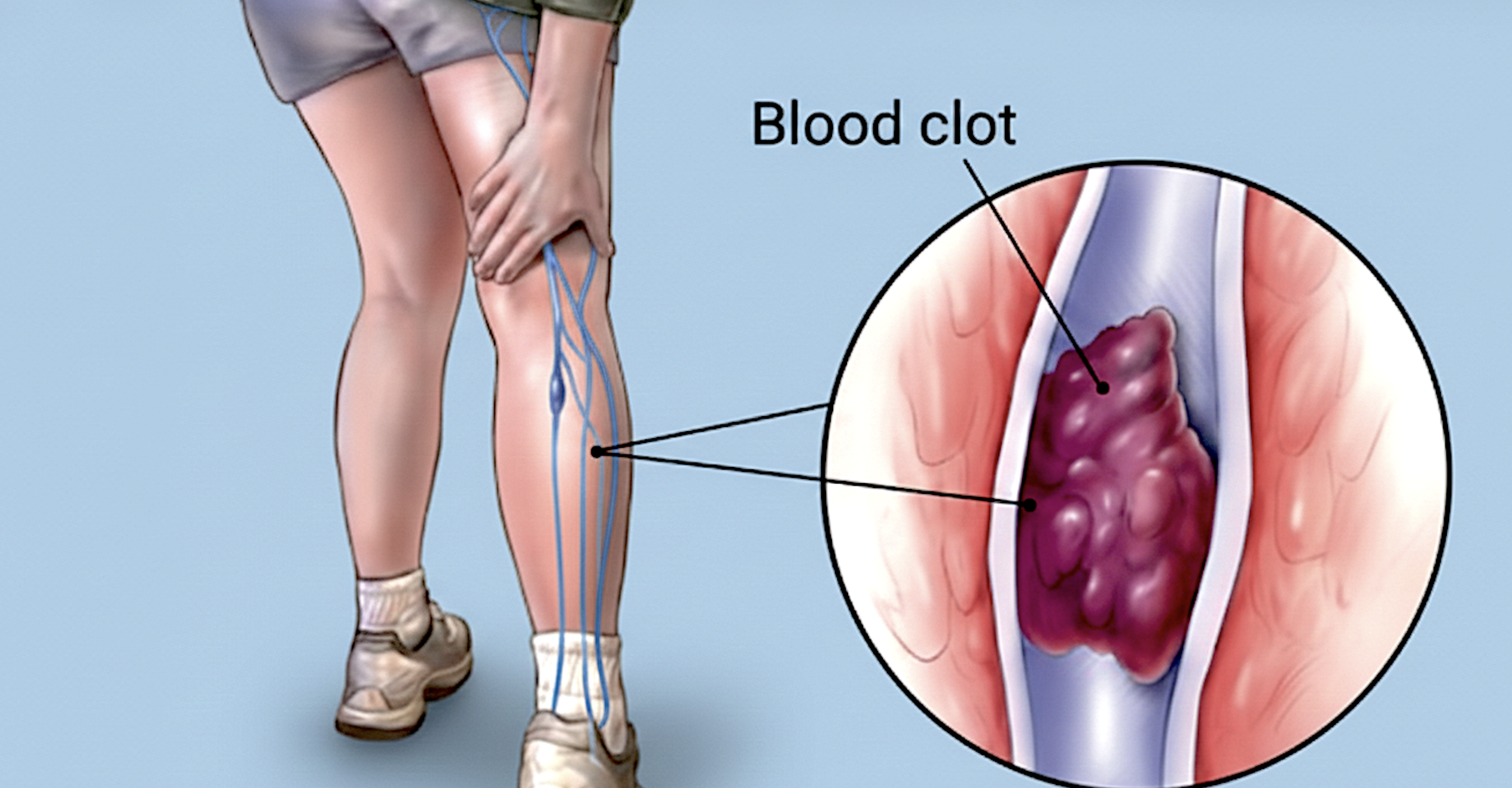
What is Venous Thromboembolism?
Venous Thromboembolism: Formation of a blood clot (thrombus) within a vein, most commonly in the deep veins of the legs, a condition known as Deep Vein Thrombosis (DVT). If untreated, part of the clot can travel to the lungs, causing a Pulmonary Embolism (PE), which can be life-threatening.
The conditions of:
Are all captured by the term Venous Thromboembolism (VTE)
Diagnosis
Interventional Radiologists (IRs) play a key role in both diagnosing and treating venous thrombosis using advanced, image-guided techniques that are minimally invasive.
Doppler Ultrasound
To detect and locate clots
CT Venography
To evaluate the extent of the thrombosis
MR Venography
Advanced imaging for detailed evaluation
Catheter Venography
Used both for diagnosis and during treatment for detailed visualization
Treatment Options
IR procedures aim to remove or dissolve the clot, restore normal blood flow, and preserve vein function.
Catheter-Directed Thrombolysis (CDT)
A thin catheter is guided to the site of the clot under imaging. Clot-dissolving medication (thrombolytic agent) is delivered directly into the clot for faster and safer results compared to systemic therapy.
Mechanical Thrombectomy
Specialized devices are used to physically remove the clot, especially in large or long-standing DVTs.
Balloon Angioplasty and Stent Placement
If the underlying vein is narrowed, angioplasty and stenting are done to maintain long-term patency and prevent recurrence.
IVC Filter Placement
For patients who cannot receive blood thinners, a small filter may be placed in the Inferior Vena Vena Cava to prevent clots from reaching the lungs.
Advantages of IR Treatment
Minimally invasive
No major surgery
Faster relief
Faster clot removal and symptom relief
Prevents PE
Prevents pulmonary embolism and reduces risk of death
Reduces complications
Reduced risk of post-thrombotic syndrome
Preserves function
Prevents permanent vein damage
Limb salvage
Can prevent amputation in severe cases
When to Seek Help
Seek immediate medical attention if you experience:
Deep Vein Thrombosis (DVT) Signs
- •Swelling or pain in one leg
- •Warmth, redness, or tenderness along a vein
- •Skin discoloration
Pulmonary Embolism (PE) Signs
- •Sudden chest pain or breathlessness
- •Rapid heart rate
- •Coughing up blood
- •Fainting or lightheadedness
Take Immediate Action
Early, image-guided interventional treatment can restore circulation, relieve symptoms, and prevent life-threatening complications of venous thrombosis.
👉Talk to your doctor or consult an interventional radiologist/vascular specialist to see if these treatments are right for you.
Remember: VTE is a medical emergency. Don't wait - early treatment saves lives and prevents serious complications.